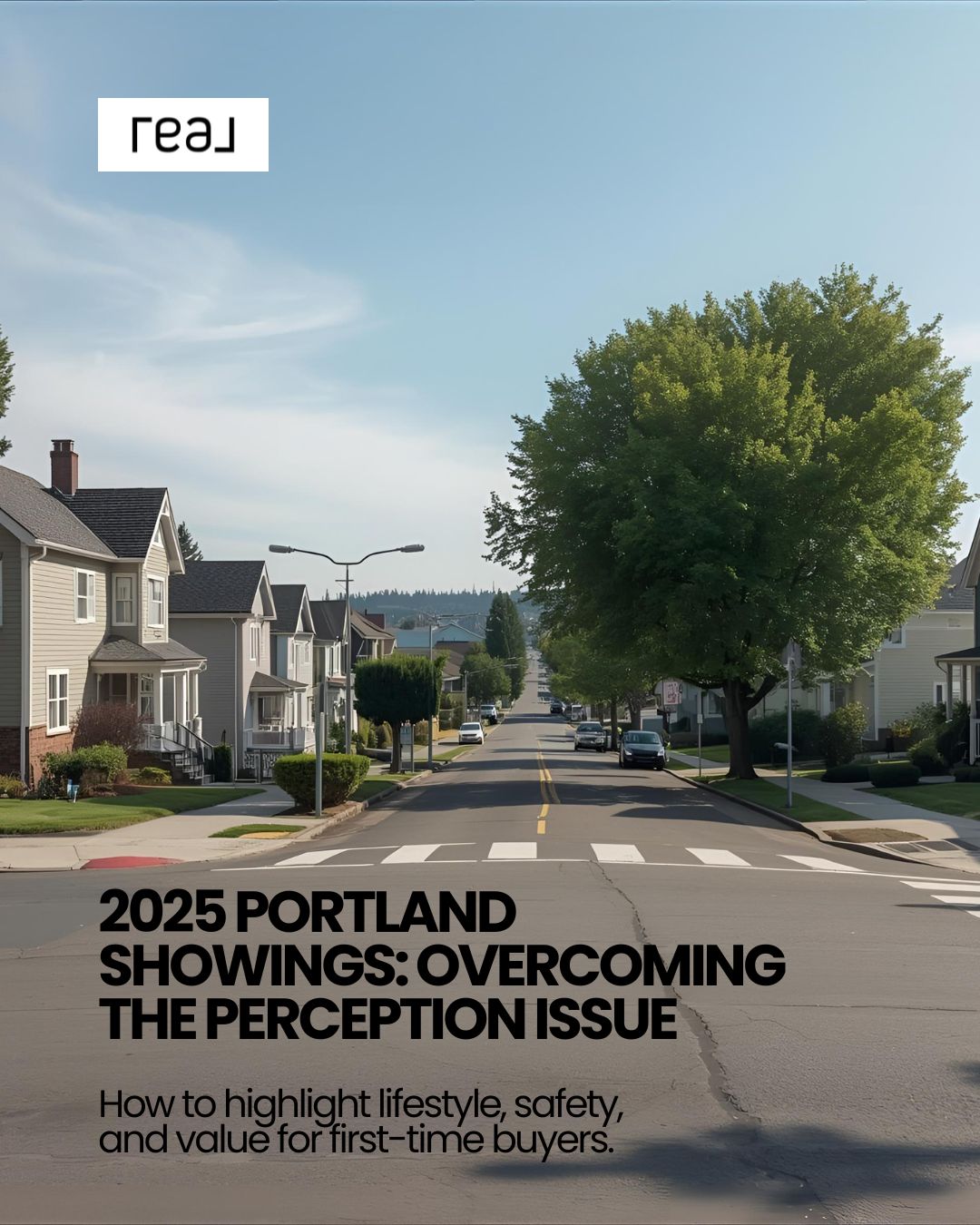
How do we handle the “Portland perception” issue How do we handle the “Portland perception” issue if my home is near aif my home is near a visible campsite? What is your strategy for routing showings?
TLDR
- I plan showings to emphasize amenities, safety, and positive neighborhood experiences for buyers.
- We use data, staging, and pricing strategy to overcome perception-based objections effectively.
- I provide clear meet-up points, optimized routes, and objective neighborhood information for context.
- Preparation, timing, and proactive communication reduce days on market and protect your value.
What does “Portland perception” really mean near campsites?
For many first-time buyers, perception and experience matter as much as data. When a home sits near a visible campsite, some buyers focus less on the house and more on the immediately surrounding experience. That can impact comfort, time spent inside the property, and ultimately offer quality. In a balanced market with roughly 3.0 months of supply and price-sensitive buyers, that first impression matters.
Local MLS trends show inventory is up about 18% year over year, average days on market around 26, and a meaningful share of properties sitting 60 days or more when expectations and pricing are misaligned. At the same time, most homeowners still have equity and the citywide median sale price has hovered near $511,000 in recent months. The opportunity is there if we control the showing experience and present the full neighborhood context.
Here is how I define it as Lisa Mehlhoff:
- “Portland perception” is the gap between a buyer’s expectations and their on-the-ground experience.
- Our strategy is to manage the route, the narrative, and the data that frames value.
- We present accurate, objective information while showcasing the true livability of the home.
How does routing showings work when a campsite is nearby?
I design showings like a guided tour. Before a visit, I send buyers a pre-showing email with a safe and convenient meet-up point, nearby parking options, and a suggested route that highlights the area’s strongest assets. We route along well-lit, main arterials with good visibility, then arrive at the property when the natural light favors curb appeal. If the campsite is visible, we acknowledge it factually and re-anchor their focus on the home’s features, commute, schools, parks, and long-term value.
This approach fits our current market dynamic. With rates mostly between 6% and 7% and insurance costs taking a bigger slice of monthly payments than five years ago, buyers weigh total cost and perceived risk carefully. RMLS and local Realtor association reports show roughly four in ten listings experience a price reduction in seasonal troughs. Strategic routing, pricing within 1% of the midpoint of the comps, and a defined 48 hour review period help attract multiple offers without undercutting value.
I also pair the tour with hyper-local data. Where appropriate, I reference FHFA House Price Index trends and NAR regional reports, plus MLS neighborhood medians, price per square foot, and days on market. For mortgage rate context, I share FRED’s 30-year rate series and Freddie Mac’s forecast, which currently projects easing toward the mid 5s in 2026. This keeps the conversation grounded in objective information and helps buyers filter noise from reality.
What specific steps do you include?
- Pre-showing email with meet-up point, route map, and parking tips
- Daylight showings timed to traffic patterns and curb appeal
- Arterial-first routing that showcases parks, schools, and local nodes
- An amenity one-pager customized to the home’s micro-neighborhood
- Honest, factual discussion if a campsite is visible, without speculation
- Clear next steps for buyers to verify commute, transit, and school fit
Which neighborhoods and routes work best for first-time buyers?
I often help first-time buyers compare inner eastside value with SW Portland Oregon Real Estate and nearby Clark County alternatives. When routing near the Alberta Arts and Concordia area, for example, I meet at a known cafe node, take Martin Luther King Jr. Boulevard north toward Alberta, and then pivot to residential streets that show tree canopy, bike routes, and proximity to grocery and schools.
- Alberta Arts and Concordia
- Montavilla and Mount Tabor
On the west side, Hillsdale and Multnomah Village show very well for first-time buyers who want a neighborhood main street and easy freeway access. For clients considering premium schools, the Lake Oswego Oregon Real Estate Market offers a suburban alternative with strong district ratings and stable value. I also regularly advise Washington-bound buyers who compare Camas Washington Real Estate, Cedars East Vancouver WA Real Estate, and Brush Prairie Washington Homes for Sale. That regional context helps Portland sellers because many first-time buyers are deciding between city and nearby suburbs at the same price point.
What are the pros and cons of selling near a visible campsite?
Pros:
- Motivated buyer pool that values urban amenities and walkability
- Opportunity to outperform stale listings with strategic pricing and presentation
- Potentially shorter timeline when showings emphasize safety, light, and routes
Cons:
- Perception risk may reduce initial showing traffic if unmanaged
- Apprehension from first-time buyers who are new to city living
- Increased need for staging, exterior lighting, and consistent communication
How do I prepare, price, and present my home to overcome perception?
Preparation is the lever. Exterior lighting upgrades can run $300 to $900 and dramatically boost evening curb appeal. Light landscaping clean-up usually falls in the $800 to $2,000 range and sets a cared-for tone. If fencing or gate repair is needed, plan for $1,200 to $3,500 depending on scope. Add a practical mudroom solution or bike storage if space allows, then stage with warm, livable finishes that photograph beautifully.
Pricing should reflect a balanced market. With roughly 3.0 months of supply, I recommend listing near the midpoint of the comp range, then trimming 1% below that midpoint to spur interest without signaling distress. We launch on a Thursday, hold high-traffic showings in daylight Friday and Saturday, collect feedback in real time, and set a clear 48 hour review period. This mirrors buyer psychology and often avoids prolonged days on market.
One of my clients purchased in Montavilla using an FHA loan plus local down payment assistance. We routed along Stark to show the restaurant cluster, timed the showing around sunset for the best interior light, and provided commute maps to the buyer’s tech office. The home appraised at value and closed within 28 days. Another client sold in St. Johns after I repositioned the listing with improved exterior lighting, adjusted pricing by 1.5% to hit the search sweet spot, and redirected the first turn-in approach. We received three offers in five days.
For lending and education support, I connect buyers with Oregon Housing and Community Services and the Portland Housing Bureau’s Homebuyer Assistance Program. These can reduce out-of-pocket funds and ease payment anxieties, which is crucial when perception concerns might otherwise stall decisions.
- Oregon Housing and Community Services programs
- City of Portland resources
- Mortgage rate and data context
- Market and Realtor association sources
FAQs
1) Will a visible campsite hurt my home’s value or just slow the sale? It depends on your micro-location and presentation. In a balanced market with roughly 3.0 months of supply, buyers are selective. Proper pricing, professional photos, and strategic routing can convert more showings to offers. If unmanaged, it may increase days on market or encourage low offers. Managed well, many homes still sell near list with acceptable timelines.
2) How do you keep buyers focused on the home and not the surroundings? I control the approach, timing, and narrative. We meet at a positive node, take well-traveled routes, and arrive during optimal light. Inside, I emphasize floor plan, systems, storage, and cost of ownership. I also provide objective info about parks, transit, and schools, and I invite buyers to do their own due diligence with tools like TriMet and Oregon Department of Education links.
3) What about safety during showings? We schedule in daylight, confirm access ahead, and ensure the property is well lit and secure. I use clear meet-up points, avoid alleys or poorly lit approaches, and keep showings efficient. If anything seems off on the day, we adjust the route or reschedule. Your safety, and buyer comfort, comes first in how I plan the experience.
4) How do mortgage rates and insurance costs affect buyers weighing perception risks? Rates around 6% to 7% and rising insurance costs can tighten budgets, so perception concerns can loom larger. If Freddie Mac’s forecast holds, a mid-2026 rate near the mid 5s could reduce payments, yet modest price growth may offset savings. I provide side-by-side monthly budget scenarios so buyers make informed decisions today rather than waiting passively.
5) What disclosures are required if there is a nearby campsite? Oregon requires sellers to disclose known material facts about the property. Visible activity off-site, such as public camping, is typically treated as a neighborhood condition that can change. I advise describing the immediate environment factually without speculation. For legal questions, I recommend you consult your attorney, and I coordinate with your escrow and title teams.
6) Are there city or state protections for vacant homes if we relocate before selling? Beginning in 2026, Oregon enacted stronger tools for handling unlawful occupancy. Owners should post clear no-trespassing signage and document any incidents promptly. For the most current details, review the Oregon Legislative Information resources and consult legal counsel. I also coordinate with your contractor for lighting and lock upgrades before you vacate.
7) How do showings differ if buyers are comparing Portland with nearby Washington suburbs? I provide apples-to-apples comparisons. For instance, some first-timers weigh Camas Washington Real Estate, Cedars East Vancouver WA Real Estate, or Brush Prairie Washington Homes for Sale against inner eastside Portland. I map commute times, school options, and total housing costs. This transparency helps motivated buyers see your home’s true value relative to their alternatives.
Conclusion
The bottom line Selling near a visible campsite is manageable with the right plan. We will control what we can control: the route, timing, lighting, staging, and pricing. We will present objective data from MLS, FHFA, and Realtor association sources, highlight parks and schools, and give buyers the resources to verify commutes and financing. In a market with about 3.0 months of supply and price-sensitive buyers, disciplined execution matters. My approach balances empathy and facts so first-time buyers feel confident and you protect your equity. Ready to craft your showing strategy together?
Lisa Mehlhof Homes | License #220603251 Call or text 503-490-4888 https://lisamehlhoffhomes-
Categories
Recent Posts










"My job is to find and attract mastery-based agents to the office, protect the culture, and make sure everyone is happy! "