Portland Building Inspection Requirements Before Closing: A Buyer's Guide to Permit Compliance
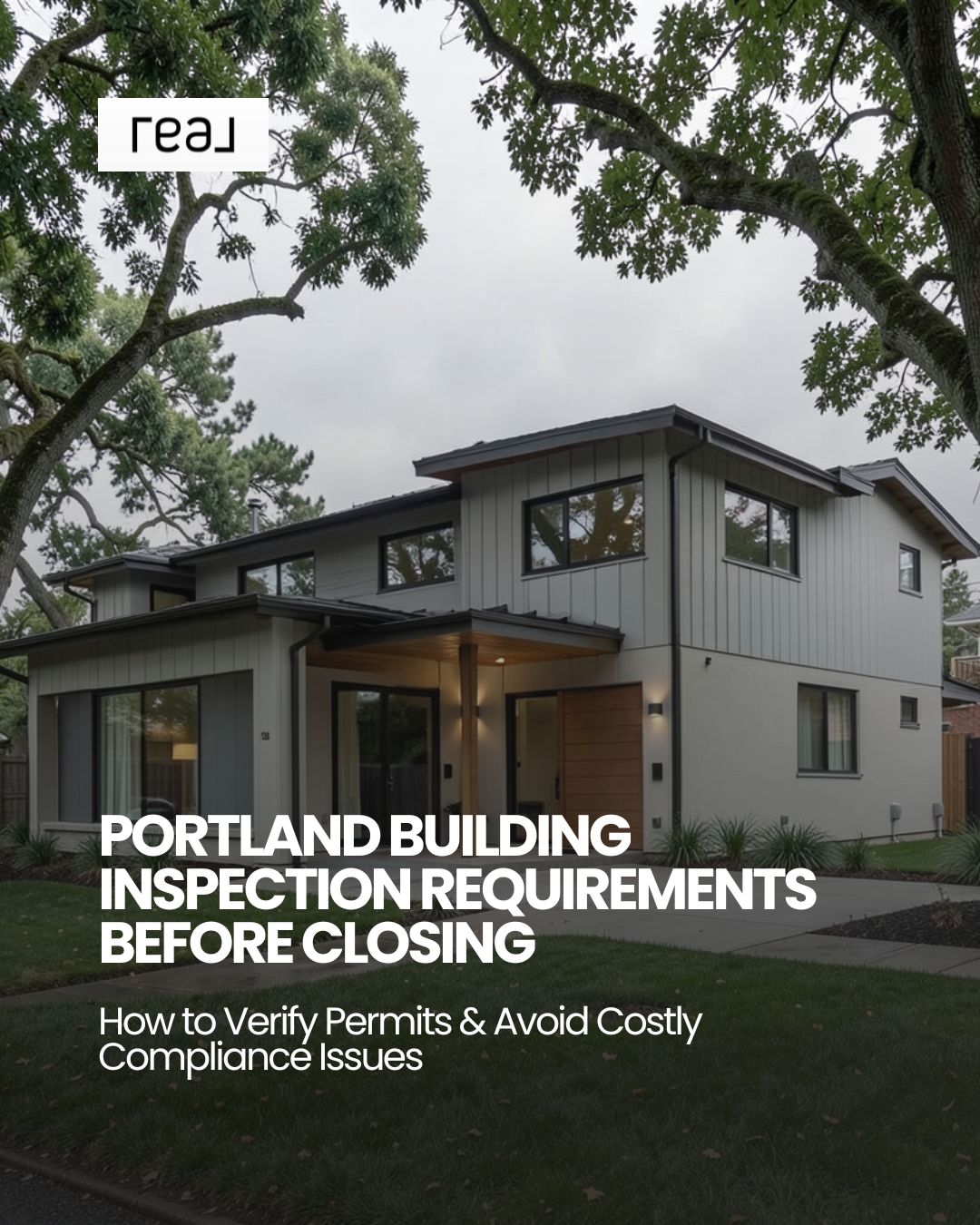
What are Portland building inspection requirements before closing, and how do you verify permit compliance?
Before closing in Portland, you must verify that permitted work passed foundation, rough framing, mechanical, plumbing, electrical, and final inspections with the City’s Bureau of Development Services. Audit the permit history, add a permit contingency, and resolve any open violations.
Why This Matters Right Now
You are shopping in a competitive Portland real estate market where clean, turnkey homes move quickly. Citywide, prices have trended up modestly and inventory sits near three months, which means well-prepared buyers win more often. Jumbo financing remains active, and rate moves tracked by the Freddie Mac Primary Mortgage Market Survey can impact what you can carry each month. When you buy a home in Portland Oregon, especially in the $1M–$3M range, your risk is not just price. It is compliance. Unpermitted additions, unfinished inspections, or code violations can derail lending, delay closing, and hurt resale. If you want the best of Portland homes for sale without post-close surprises, you need a precise plan to verify permits and inspections before you release contingencies.
What You Need to Know Before You Close
Portland’s permitting and inspection oversight runs through the City of Portland Bureau of Development Services (BDS). For any work that required a permit, BDS typically conducts inspections at key milestones and only closes the permit after a passed final.
Core inspections you should confirm:
- Foundation inspection for new builds or additions.
- Rough framing before insulation and drywall.
- Mechanical, plumbing, and electrical rough-ins and finals.
- Final building inspection confirming the permitted scope was completed.
Common luxury pitfalls that affect closings:
- Unpermitted ADUs or garage conversions marketed as livable space.
- Non-compliant decks, missing structural ties, or hillside work without approved engineering.
- Elevator additions, pools, spas, and saunas installed without specialty permits or safety sign-offs.
- Smart home electrical backbones and generators added without electrical or mechanical permits.
You should run the address in the BDS system to review the permit history, inspection log, and status of finals. If you find open permits, expired permits, or work with no record, your options include requiring seller cure, negotiating an escrow holdback, or pricing the risk into your offer. Your lender and insurer may require proof of permit compliance before funding. Use a permit contingency and a specialist to audit historical permits and plans.
Links:
- City of Portland BDS overview: Bureau of Development Services
- BDS permit records and status: Portland BDS Online Permitting System
- Mortgage rates reference: Freddie Mac PMMS
- Market activity reference: RMLS Market Stats
Luxury Systems That Need Extra Scrutiny
High-end properties often stack specialized systems:
- Zoned HVAC, radiant floors, and backup generators require mechanical and electrical finals.
- Low-slope membrane roofs and copper flashing should show the correct roofing permits where required.
- Elevators, pools, and spas call for additional inspections for safety equipment, bonding, and barriers.
- Extensive low-voltage, lighting control, and home automation may trigger electrical permits.
How to Compare Your Options When Issues Surface
When your BDS search or inspections uncover unpermitted work or open permits, you have several viable paths. The right move depends on timing, risk tolerance, and your plans for the property.
Option 1: Seller completes permits and finals before closing
- Pros: Clean title on use, easier lending and insurance, stronger resale story.
- Cons: Time risk if BDS requires corrections; contractors may be booked.
Option 2: Escrow holdback with post-close completion
- Pros: You can close on schedule; funds ensure the work gets done.
- Cons: You manage the process after closing; scope creep if BDS asks for upgrades to current code.
Option 3: Price reduction or credit in lieu of cure
- Pros: Immediate financial offset; useful if you plan a remodel anyway.
- Cons: Compliance remains your responsibility; lender may still require resolution.
Option 4: Walk away during due diligence
- Pros: Zero risk of inheriting violations.
- Cons: Opportunity cost if the home is unique and rare in today’s Portland housing market trends.
Key factors to evaluate:
- Timeline certainty: How long will BDS reviews and inspections take, given contractor availability and your closing date.
- Scope of corrections: Minor finals versus structural fixes that require engineering.
- Lending and insurance: Whether your lender permits open items and whether your insurer will bind coverage without finals.
Your Step-by-Step Guide to Permit Compliance Before Closing
1) Pull the address history
- Search the BDS Online Permitting System for permits, inspections, violations, and final statuses. Confirm the legal address and any past alternate addresses on corner or combined lots.
2) Align the scope to the house you see
- Match permit descriptions to actual improvements. If an ADU exists but you only see a “garage remodel” permit with no final, flag it.
3) Order specialized inspections
- Pair your general inspection with specialists: structural engineer for hillside homes, licensed electrician for panel and low‑voltage infrastructure, mechanical contractor for radiant and geothermal, elevator service tech, and pool/spa professionals.
4) Verify finals and certificates
- Look for a passed “final” inspection for every permit. For additions and major remodels, confirm that the final reflects the as‑built condition, not an abandoned scope.
5) Add a permit contingency
- Write in a permit and code compliance contingency with a deadline to review records and outcomes. Consider an attorney review for precise language.
6) Decide on the cure strategy
- Choose seller cure before closing, escrow holdback, price credit, or cancellation. Set clear timelines, required contractors, and proof of completion triggers.
7) Re‑inspect and document
- After corrections, schedule any required BDS re‑inspections and re‑check the online record. Keep receipts, engineer letters, and photos for future resale.
8) Coordinate with your lender and insurer
- Provide evidence of finals or holdback terms. Underwriters for jumbo loans expect clarity on any health, safety, or structural items.
9) Close and keep records
- Save the full permit and inspection packet with your closing documents. When you sell a home in Portland Oregon in the future, you will have a clean, verifiable file.
What This Looks Like in Portland Oregon
In classic neighborhoods like Laurelhurst, Irvington, Alameda, and Ladds Addition, many homes saw decades of improvements. You frequently find finished basements listed as bedrooms without proper egress, garage conversions marketed as ADUs, or attic dormers added without structural engineering. In historic districts like parts of Irvington and Ladds Addition, exterior changes may require design or historic review before permits. You should plan more time to audit records and confirm reviews were completed.
In Southwest Portland’s hillside pockets around Hillsdale and Multnomah Village, luxury buyers value privacy and treed lots. On sloped sites, you should verify geotechnical, drainage, retaining wall permits, and framing ties. Decks in the forest canopy need proper attachments and lateral bracing. This submarket carries a premium over the city median, and high-dollar listings must prove compliant systems to justify top-of-market pricing.
For new or recent luxury construction across Portland, you should confirm that the builder closed all trade permits and delivered a passed final. Pools, spas, elevators, whole-home generators, and advanced automation are common in the luxury segment. Each item can have its own permit family with final inspections you must verify.
Neighborhoods to consider:
- Laurelhurst: Historic charm with large lots and classic architecture. Expect $1.1M–$2.2M for updated homes. Scrutinize dormers, seismic upgrades, and basement egress. Search “Laurelhurst Portland homes for sale” with your Portland real estate agent and compare permit histories.
- Irvington: Tree‑lined streets and a designated historic district. Expect $1.2M–$2.5M for renovated properties. Review historic approvals for exterior changes and check for proper ADU permits. Evaluate attic and electrical upgrades carefully.
- SW Hillsdale and surrounding: Mid‑century to contemporary luxury with privacy and views. Expect $1.3M–$3M+. Verify engineering for hillside work, deck attachments, and mechanical systems such as radiant heat and generators.
What Most People Get Wrong
You might assume a clean disclosure means fully permitted work. It does not. Many owners believe older improvements are “grandfathered,” but grandfathering applies to legal, previously permitted conditions, not unpermitted additions. You might also think title will always show violations. Title reports may miss unrecorded issues that still exist in BDS records. Another misconception is that inspectors only care about new work. When you reopen or legalize unpermitted improvements, BDS can require upgrades to today’s code, which affects cost and timing. Finally, you may focus on cosmetics while skipping systems. In the luxury tier, smart panels, generators, low-slope roofs, radiant floors, and elevator equipment all need proper permits and finals. Skip them and you risk funding delays, insurance issues, and weaker resale value in the Portland real estate market.
Frequently Asked Questions
Can you close with open permits or unpermitted work in Portland?
Yes, you can close, but you take on the risk and cost. Lenders may require a holdback or resolution of life safety items. You should negotiate seller cure or an escrow holdback and verify with BDS that finals are achievable without major scope changes.
How do you check if an ADU or remodel is permitted?
Search the BDS Online Permitting System by address and review permits, inspection logs, and final statuses. Compare the recorded scope to the actual improvements. If you see no permit history for a finished space, plan for a legalization path or negotiate a seller cure.
What happens if BDS finds unpermitted work during your purchase?
BDS can require you to legalize or remove the unpermitted work. That may include engineering, opening walls, and updating to current code. You should build timelines and costs into your negotiations and consider an escrow holdback to ensure completion after closing.
How long do Portland permits and finals take?
It varies by scope and workload. Minor finals and simple corrections can resolve in days or weeks. Larger structural or historic items can take several weeks to months. You should consult the BDS timelines and your contractors, and adjust your closing or holdback accordingly.
Which luxury features most often cause compliance delays?
ADUs, rooftop decks, hillside decks, elevators, pools and spas, whole-home generators, and complex electrical automation frequently trigger extra inspections. You should verify each has its own permit trail and a passed final before you release contingencies.
The Bottom Line
You protect your investment by verifying that every improvement in your target property is properly permitted and finalized with the City of Portland. Before you buy a home in Portland Oregon, use a permit contingency, audit the BDS record, and plan for specialized inspections on luxury systems. If you find issues, choose the right path: seller cure, escrow holdback, a price credit with a clear legalization plan, or a graceful exit. When you align due diligence with your financing and timing, you reduce risk and strengthen your position in the Portland housing market trends, helping you secure the right home at the right terms with confidence.
If you're ready to explore your options for Portland building inspection requirements before closing in Portland Oregon, Lisa Mehlhoff at Lisa Mehlhof Homes can walk you through the specifics for your situation.
 503-490-4888
 https://lisamehlhoffhomes-
Categories
Recent Posts











"My job is to find and attract mastery-based agents to the office, protect the culture, and make sure everyone is happy! "